E-FUEL PATHWAYS
Different fuels create different engineering demands
// POWER · HYDROGEN · SYNTHESIS //
E-methanol, e-methane and synthetic liquid fuels store renewable energy in different forms. Their properties determine how they are produced, stored, delivered and converted into power.

E-FUEL OVERVIEW
One renewable source. Multiple fuel pathways
// THE PATHWAY SHAPES THE FUEL //
E-fuels use renewable electricity to produce hydrogen. Through different synthesis routes, that hydrogen can be combined with captured carbon or nitrogen to create liquid or gaseous fuels with different properties.
PRODUCTION
Five stages from renewable electricity to usable fuel
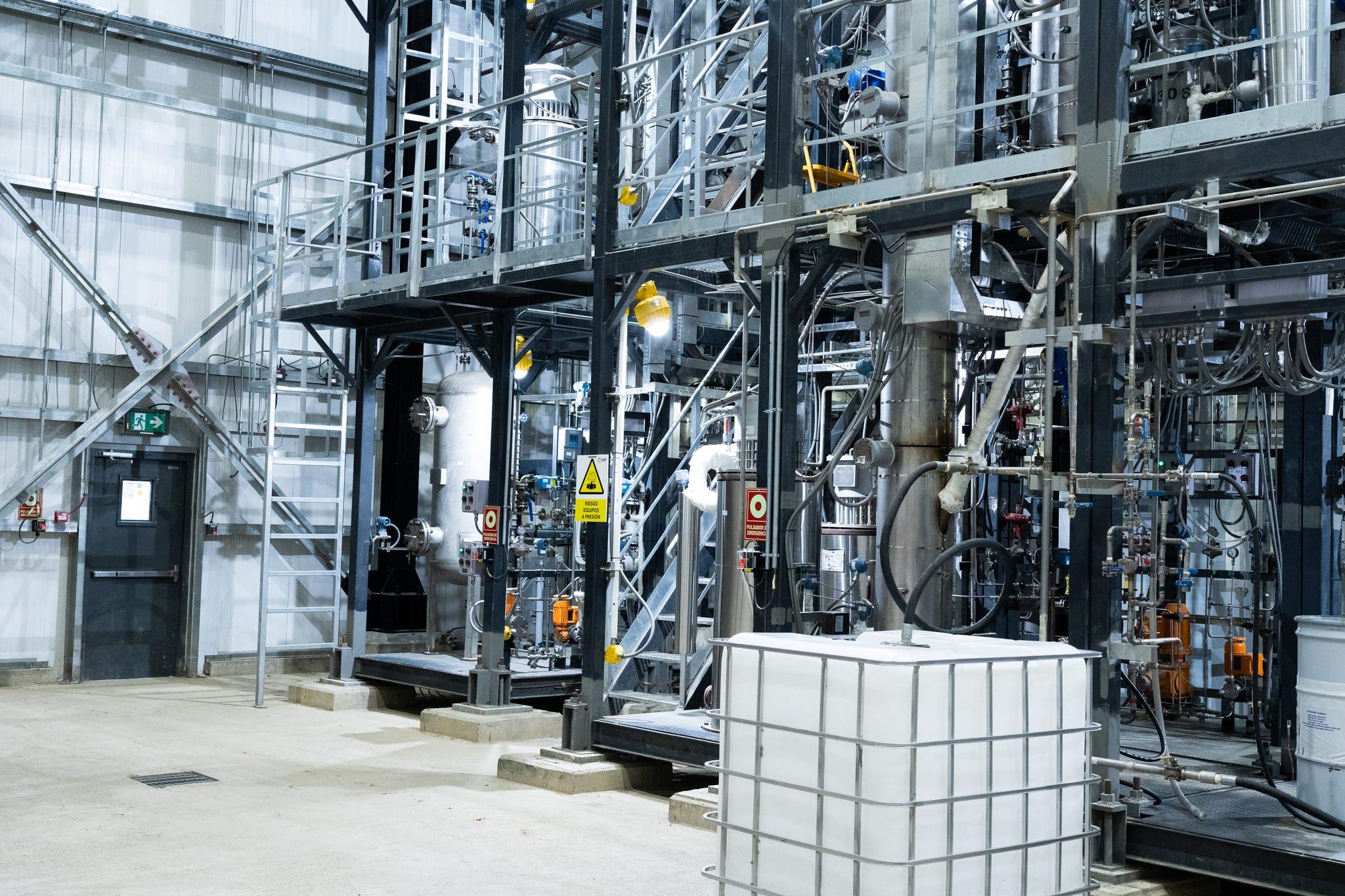
E-fuel production connects renewable power, hydrogen production, feedstock sourcing and synthesis. Each stage influences efficiency, lifecycle emissions and the properties of the final fuel.
Renewable Electricity
Hydrogen Production
Carbon or Nitrogen Source
Fuel Synthesis
Processing & Distribution
E-FUEL PATHWAYS
A closer look at each e-fuel pathway.
e-Methanol
A synthetic liquid fuel produced from renewable hydrogen and a carbon-based feedstock through methanol synthesis.
Physical State: LiquidProduction Route: Methanol synthesisTypical Applications: Marine and industrial systemsCompatibility: Modified or dedicated systems may be required
e-Methane
A synthetic gaseous fuel produced by combining renewable hydrogen with a carbon-based feedstock through methanation.
Physical State: GasProduction Route: MethanationTypical Applications: Marine, road and industrial systemsCompatibility: Dedicated gas storage and delivery systems
e-Ammonia
A synthetic fuel pathway produced by combining renewable hydrogen with nitrogen.
Physical State: Liquefied gasProduction Route: Ammonia synthesisTypical Applications: Marine and industrial systemsCompatibility: Dedicated systems and strict safety control
Synthetic Diesel
A synthetic liquid hydrocarbon pathway intended for compression-ignition applications where the relevant specifications and approvals are met.
Physical State: LiquidProduction Route: Fischer–Tropsch synthesis and upgradingTypical Applications: Heavy-duty, marine and industrial systemsCompatibility: Potential drop-in use is specification dependent
Synthetic Gasoline
A synthetic liquid hydrocarbon pathway intended for spark-ignition engine applications.
Physical State: LiquidProduction Route: Fuel synthesis and refiningTypical Applications: Road and spark-ignition enginesCompatibility: Fuel specification and engine approval dependent
e-Kerosene
A synthetic liquid fuel pathway developed for aviation applications where the required jet-fuel specifications and certification conditions are met.
Physical State: LiquidProduction Route: Synthesis, upgrading and refiningTypical Application: AviationCompatibility: Specification and certification dependent

LIFECYCLE PERFORMANCE
The fuel is only part of the result
Renewable Electricity
The source and carbon intensity of the electricity strongly influence the overall pathway.
Hydrogen Production
Electrolyser efficiency and operating conditions affect energy demand and lifecycle performance.
Carbon or Nitrogen Source
Feedstock origin determines whether the pathway recycles existing carbon or introduces additional emissions.
Synthesis, Distribution & Use
Conversion losses, processing, transport and final engine performance all contribute to the complete result.
No fuel pathway should be evaluated at the tailpipe alone.
FROM FUEL TO ENGINE
Fuel properties determine the engineering response
Producing an e-fuel is only the beginning. Reliable power requires an engine system designed around its ignition, storage, injection and combustion characteristics.
Explore the engineering behind each fuel
See how fuel properties influence combustion, injection, control systems and overall engine architecture.