TECHNOLOGY COMPARISON
E-Fuels vs Hydrogen
Overview:
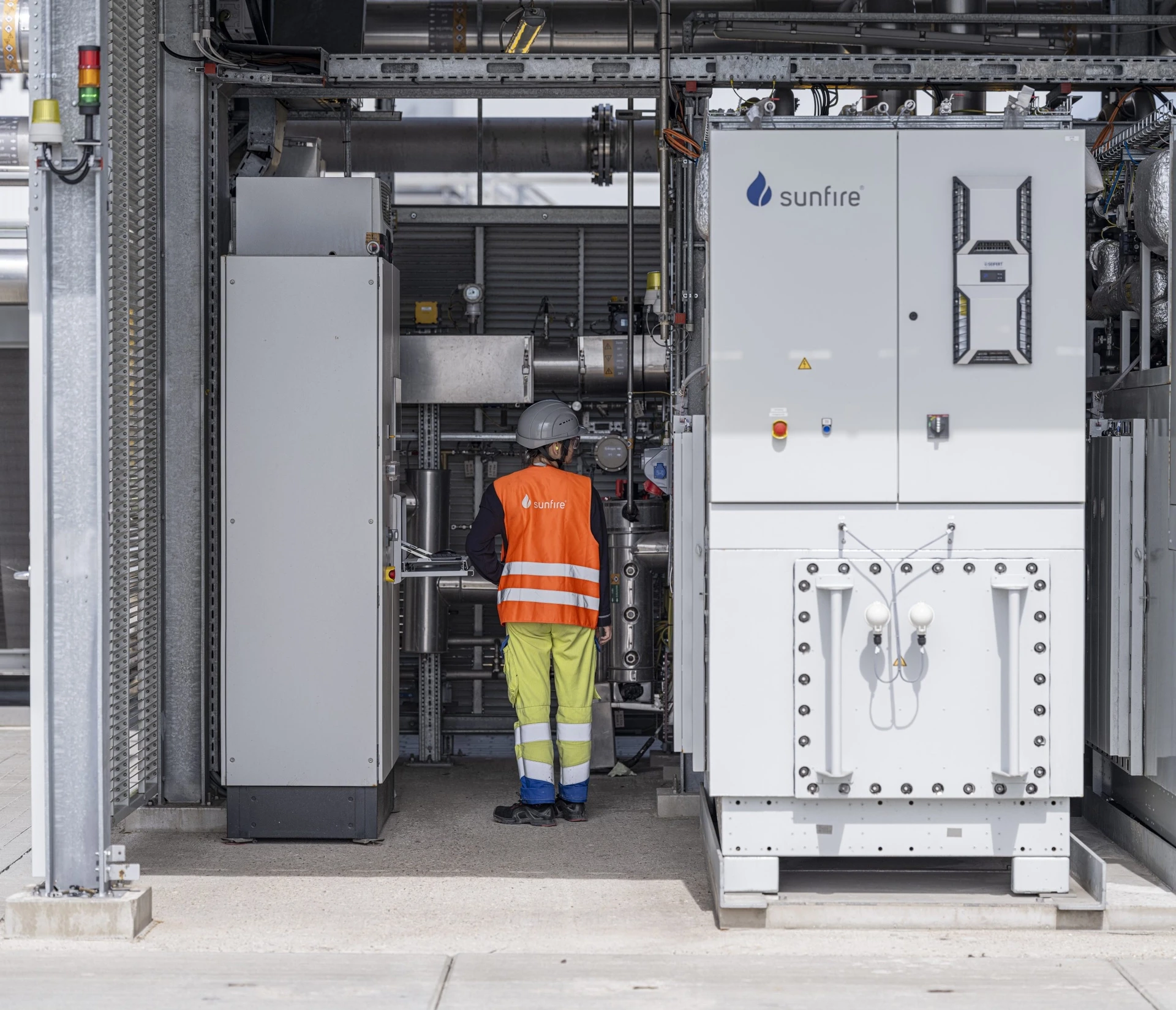
E-fuels and hydrogen both begin with renewable electricity, but they deliver energy in different forms. Hydrogen can be used directly in fuel cells or adapted combustion systems, while e-fuels convert hydrogen into a liquid or gaseous fuel through an additional synthesis process.
Direct hydrogen generally requires fewer conversion stages and may offer higher overall efficiency. E-fuels may provide advantages where easier storage, international transport, existing fuel infrastructure or compatibility with selected engines are more important.
Approach:
The comparison should consider the complete energy pathway, from renewable electricity and fuel production to storage, transport and final use.
Important factors include conversion losses, volumetric energy density, storage conditions, infrastructure requirements, engine or fuel-cell compatibility and lifecycle emissions.
Neither pathway is universally superior. The most appropriate option depends on the application, operating range, available infrastructure and technical requirements.

Comparison Criteria
• Energy pathway: Direct hydrogen use vs hydrogen-to-fuel conversion
• Energy efficiency: Direct hydrogen avoids the additional losses associated with fuel synthesis
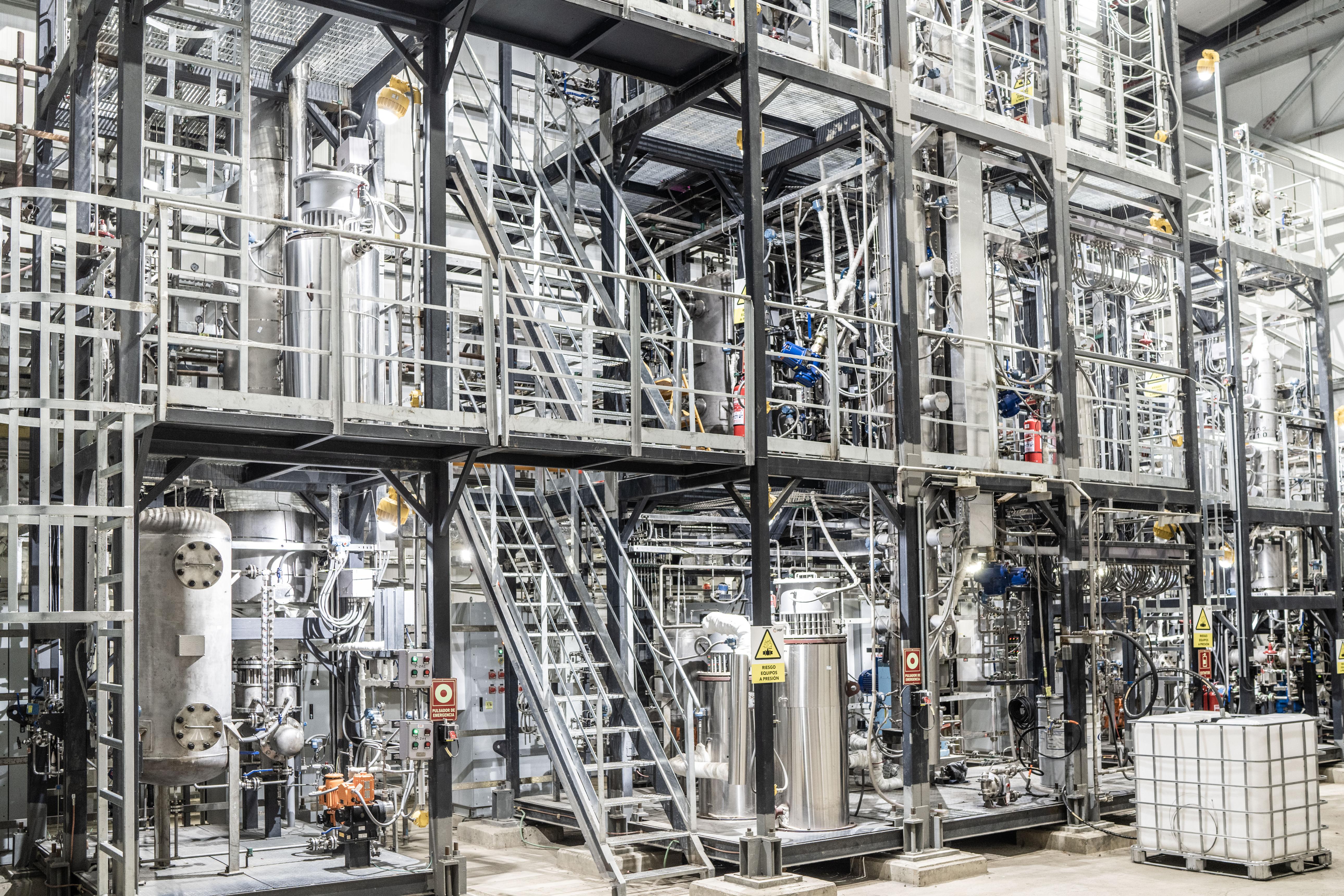
• Storage: Hydrogen requires compression, liquefaction or specialised storage systems
• Transport: Selected liquid e-fuels can be easier to transport through existing fuel logistics
• Infrastructure: Hydrogen requires dedicated production, storage and refuelling systems
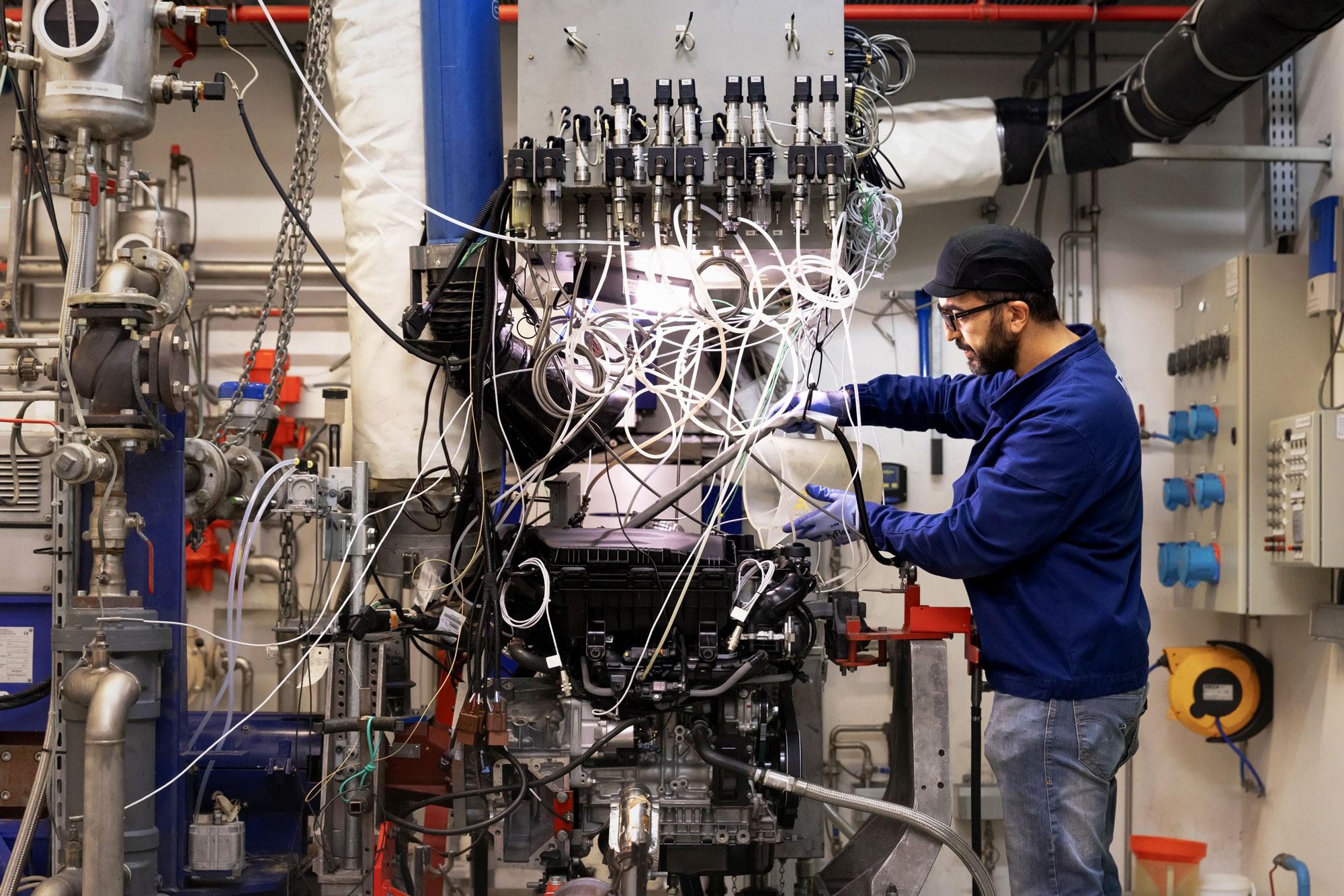
• Compatibility: Some e-fuels may work with adapted or existing engines, depending on specification
• End use: Hydrogen can power fuel cells or adapted engines, while e-fuels are generally used in combustion systems
• Lifecycle impact: Performance depends on electricity source, production process, transport and final use
Best-Fit Applications
E-Fuels
• Aviation
• Long-distance maritime transport
• Existing liquid-fuel supply chains
• Selected combustion-engine fleets
• Applications requiring high onboard energy density
• Operations where fuel must be stored or transported over long distances
Hydrogen
• Fuel-cell vehicles
• Industrial processes requiring hydrogen
• Selected heavy-duty transport applications
• Stationary power and energy storage
• Operations located close to hydrogen production
• Systems designed around dedicated hydrogen infrastructure
Key Takeaway
Direct hydrogen generally offers a more efficient pathway because it avoids the additional energy required to produce another fuel.
E-fuels require more conversion stages, but they may be easier to store, transport and integrate into selected existing fuel systems.
The two pathways should therefore be viewed as different solutions for applications with different infrastructure, storage and operational requirements.


