TECHNOLOGY COMPARISON
E-Fuels vs Batteries

Overview:
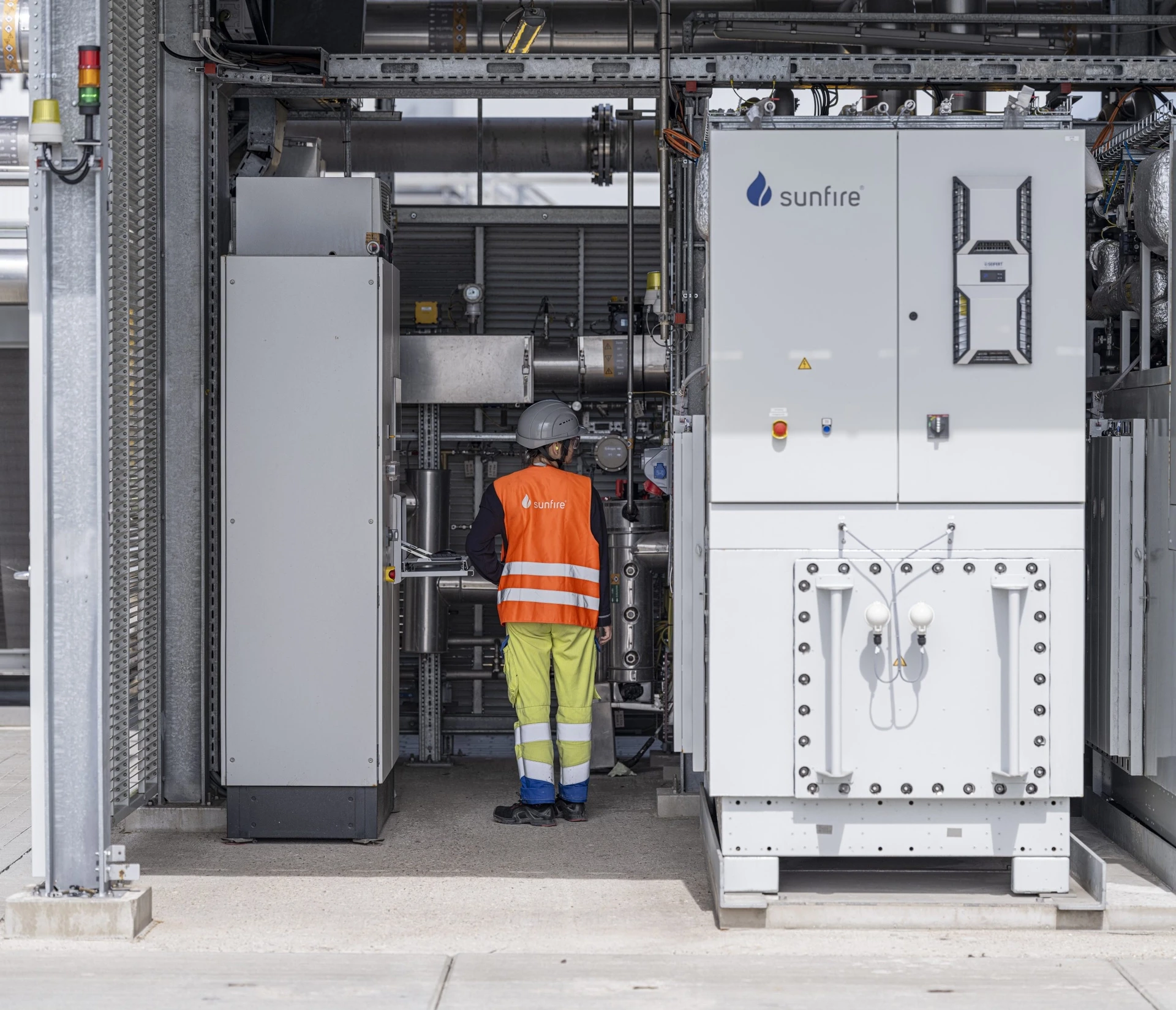
E-fuels and batteries both use renewable electricity, but they deliver energy in fundamentally different ways. Batteries store electricity directly, while e-fuels convert renewable electricity into hydrogen and then into a liquid or gaseous fuel.
Batteries generally provide higher overall energy efficiency. E-fuels may offer advantages where high energy density, long operating range, rapid refuelling or long-term fuel storage are more important.
Approach:
The comparison should consider the complete energy pathway rather than focusing only on the vehicle or engine.
Important factors include electricity demand, conversion losses, onboard storage, infrastructure, charging or refuelling time, lifecycle emissions and suitability for the final application.
Neither pathway is universally superior. The most appropriate option depends on operating conditions, payload, range, infrastructure and technical requirements.

Comparison Criteria
• Energy pathway: Direct electricity storage vs electricity-to-fuel conversion
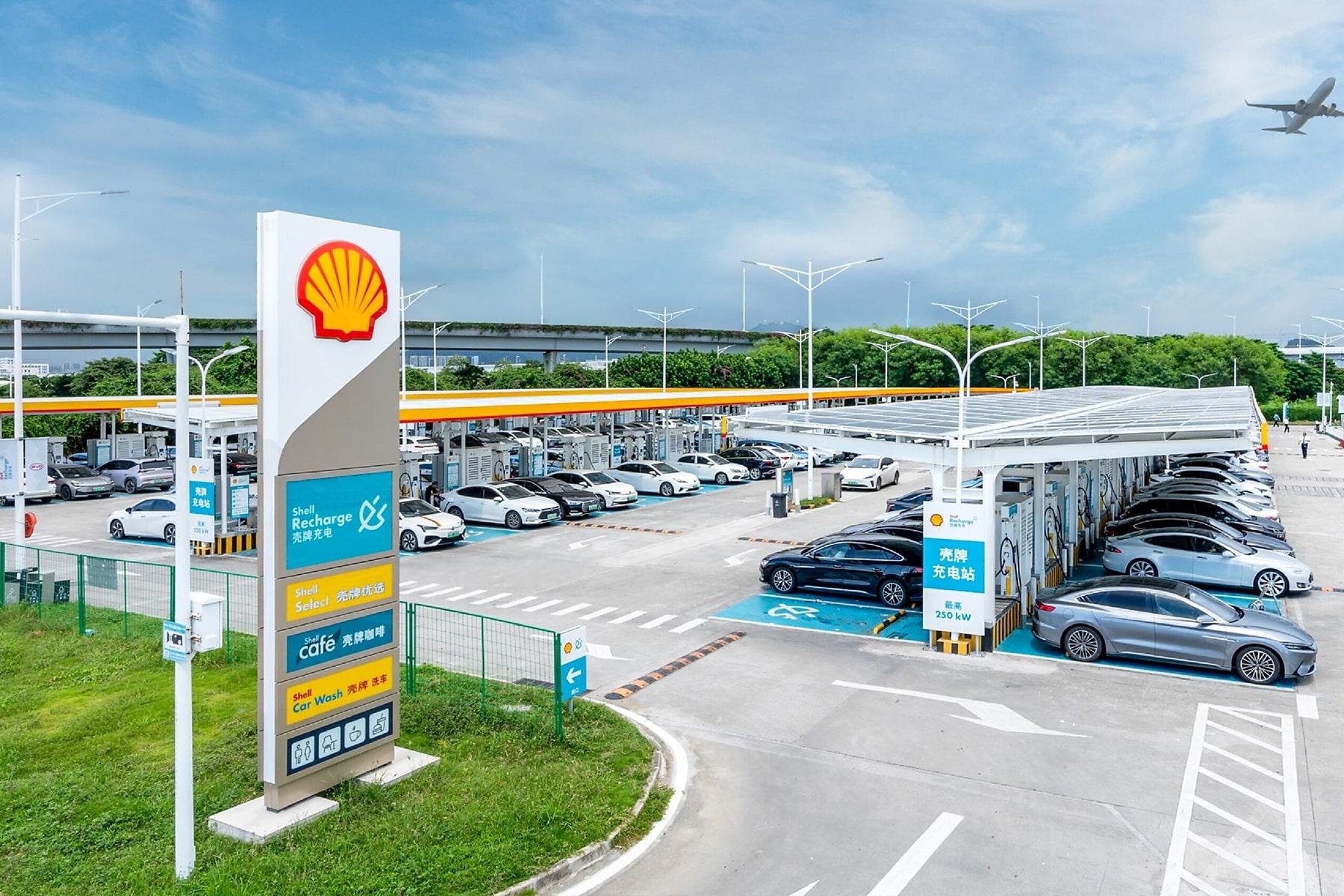
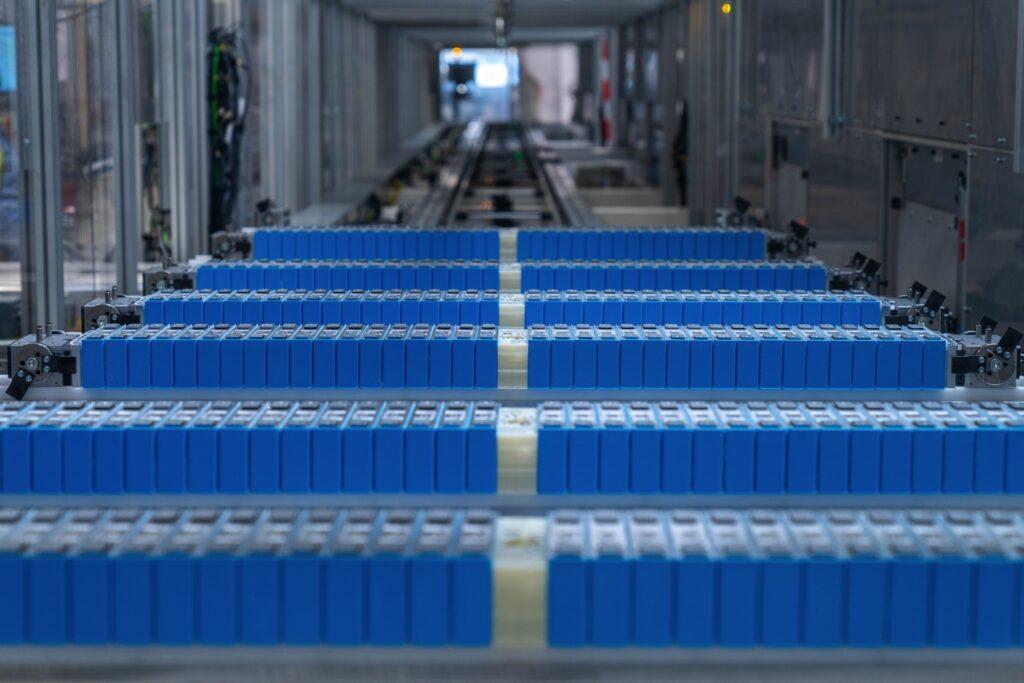
• Energy efficiency: Batteries generally use renewable electricity more efficiently
• Energy density: Liquid e-fuels can store more energy relative to onboard volume and weight
• Charging or refuelling: Batteries require charging time, while liquid fuels support faster refuelling
• Infrastructure: Batteries depend on charging networks and grid capacity
• Compatibility: Selected e-fuels may work with existing engines and fuel systems
• Operational emissions: Batteries produce no tailpipe emissions, while combustion-based e-fuels may produce CO₂, NOx and other pollutants
• Lifecycle impact: Performance depends on electricity source, production process, materials, distribution and final use
Best-Fit Applications
E-Fuels
• Aviation
• Long-distance maritime transport
• Selected heavy-duty applications
• Existing specialised fleets
• Applications requiring energy-dense liquid fuels
• Operations where rapid refuelling is essential
Batteries
• Passenger vehicles
• Urban mobility
• Delivery fleets with predictable routes
• Short- and medium-distance road transport
• Applications with regular charging access
• Operations where direct electrification is practical
Key Takeaway
Batteries are generally the more efficient solution where direct electrification is practical. E-fuels are better suited to selected applications where range, payload, energy density, refuelling time or compatibility with existing systems are critical.
The two pathways should therefore be viewed as complementary technologies serving different transport and energy requirements.