Engine Platforms
How Everllence Is Scaling Methanol Propulsion for Large Ships
The company formerly known as MAN Energy Solutions is scaling dual-fuel methanol technology for high-output marine propulsion.

How Everllence Is Scaling Methanol Propulsion for Large Ships
Everllence, formerly MAN Energy Solutions, is developing dual-fuel engine technologies designed to bring methanol into large-scale marine propulsion.
Its approach demonstrates how established engine architectures can be adapted around the ignition, injection, safety and fuel-management requirements of a different fuel.
A platform designed for methanol
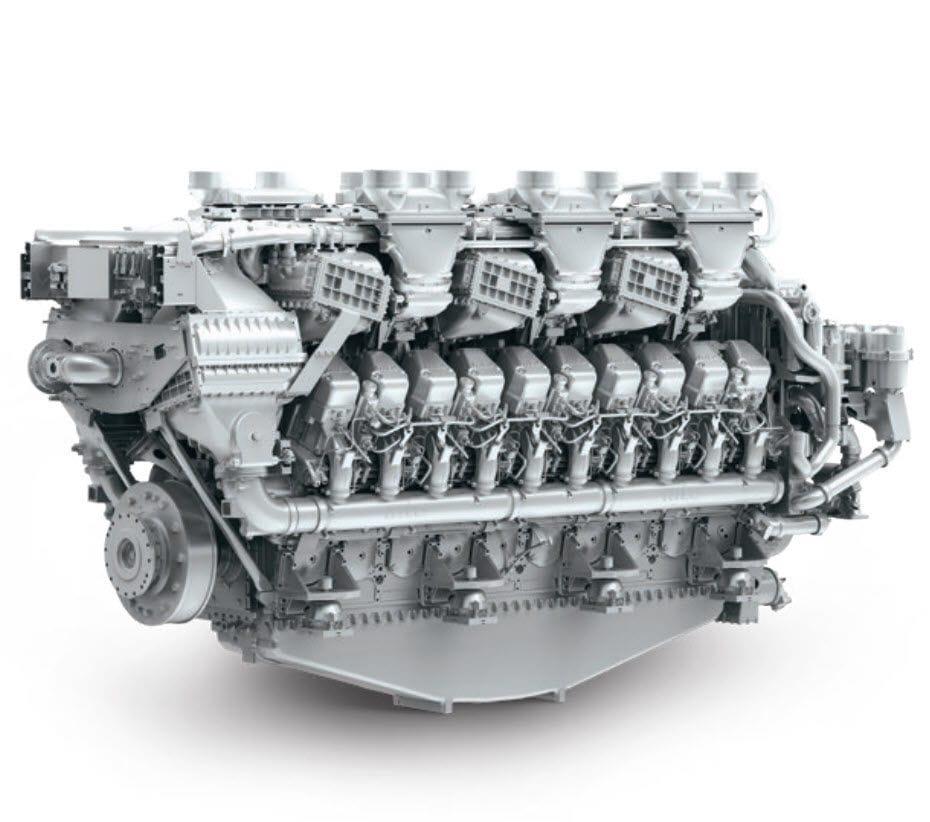
The MAN B&W ME-LGIM was developed as a two-stroke, dual-fuel engine capable of operating on methanol as well as conventional liquid fuel.
Rather than treating methanol as a simple substitute, the platform incorporates dedicated fuel injection, electronic control and safety systems. These systems manage the different combustion and handling characteristics of methanol while maintaining the power required by large commercial vessels.
Scaling the technology
In 2025, the company announced an 82,440 kW version of the ME-LGIM for a new generation of 24,000 TEU container vessels.
The scale of this engine shows that methanol-compatible propulsion is moving beyond smaller demonstration projects and into some of the most power-intensive areas of commercial shipping.
New engines and existing fleets
The transition is not limited to newly manufactured engines. Everllence’s PrimeServ division also develops conversion packages that allow selected existing engines to be adapted for dual-fuel methanol operation.
These conversions can involve new cylinder covers, injection valves, fuel pipes, control equipment and dedicated methanol safety systems.
Why it matters
Everllence’s work illustrates two important routes toward future-fuel adoption: purpose-built dual-fuel engines for new vessels and retrofit solutions for the existing fleet.
The engine technology enables methanol use, but the overall environmental outcome still depends on the fuel pathway. Renewable e-methanol produced using renewable electricity and a sustainable carbon source can provide a different lifecycle result from fossil-derived methanol.
Insights & Article