Engine Platforms
How Wärtsilä Is Expanding Its Methanol-Capable Engine Portfolio
Wärtsilä is expanding its fuel-flexible engine portfolio to support methanol-powered vessels across different sizes and operating requirements.

How Wärtsilä Is Expanding Its Methanol-Capable Engine Portfolio
The transition to lower-carbon shipping requires more than producing alternative fuels. Ships also need engines, fuel-supply systems and onboard infrastructure designed around the specific properties of those fuels.
Wärtsilä is addressing this challenge by expanding its portfolio of methanol-capable marine engines. The company’s approach combines fuel-flexible engine platforms with fuel storage, handling, control and system-integration technologies.
Building on operational experience
Wärtsilä’s experience with methanol propulsion includes the conversion of engines aboard the Stena Germanica ferry, which has operated using methanol since 2015.
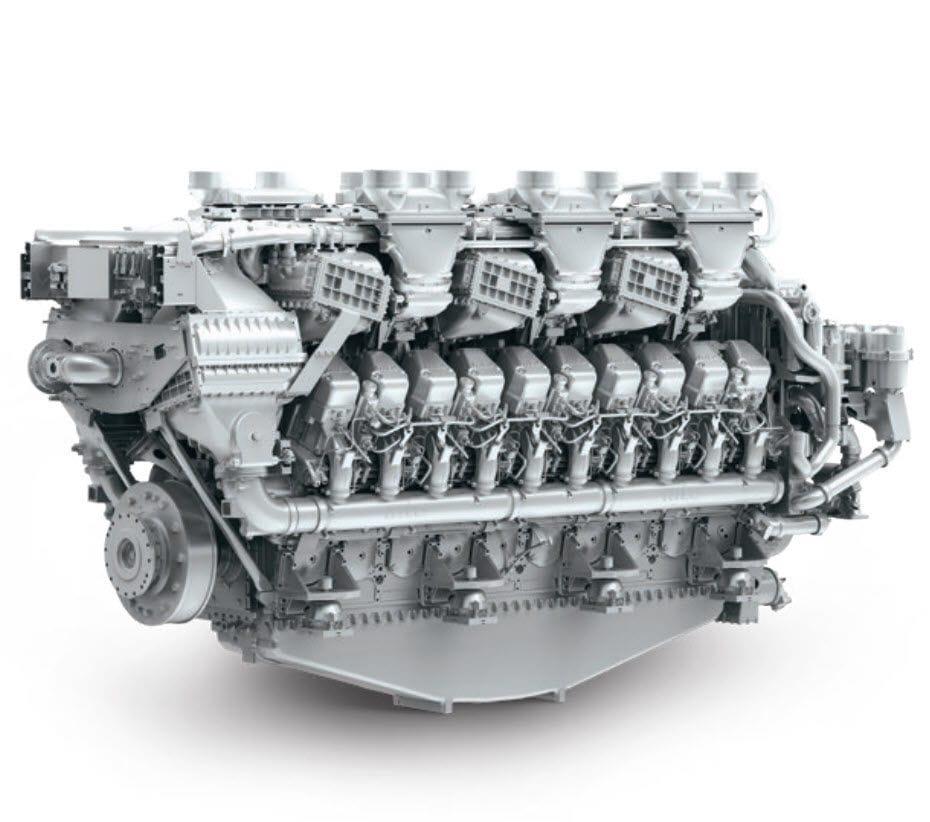
This operational foundation has informed the development of the Wärtsilä 32 Methanol engine. The platform can operate using methanol or conventional liquid fuels and is available for both new vessels and retrofit projects.
Expanding the platform range
Wärtsilä is extending methanol capability across several engine sizes, including the Wärtsilä 20, Wärtsilä 31, Wärtsilä 32 and Wärtsilä 46F platforms.
This wider portfolio allows engine selection to be matched more closely to vessel size, power demand and operational profile—from auxiliary power applications to propulsion systems for larger vessels.
The engine is only part of the system
Methanol operation also requires dedicated storage, fuel conditioning, safety and control infrastructure.
Wärtsilä’s MethanolPac system integrates the equipment needed to store, process and safely deliver methanol to the engine. This demonstrates an important principle of future-fuel engineering: fuel, engine and supporting systems must be designed as one operating architecture.
Why it matters
Wärtsilä’s work illustrates how established engine platforms can evolve through changes to fuel admission, injection, combustion control, materials and onboard integration.
The environmental performance of methanol still depends on how the fuel is produced. Renewable e-methanol can offer substantially different lifecycle results from fossil-derived methanol. Engine compatibility is therefore one part of a broader fuel-production and application pathway.
Insights & Article